
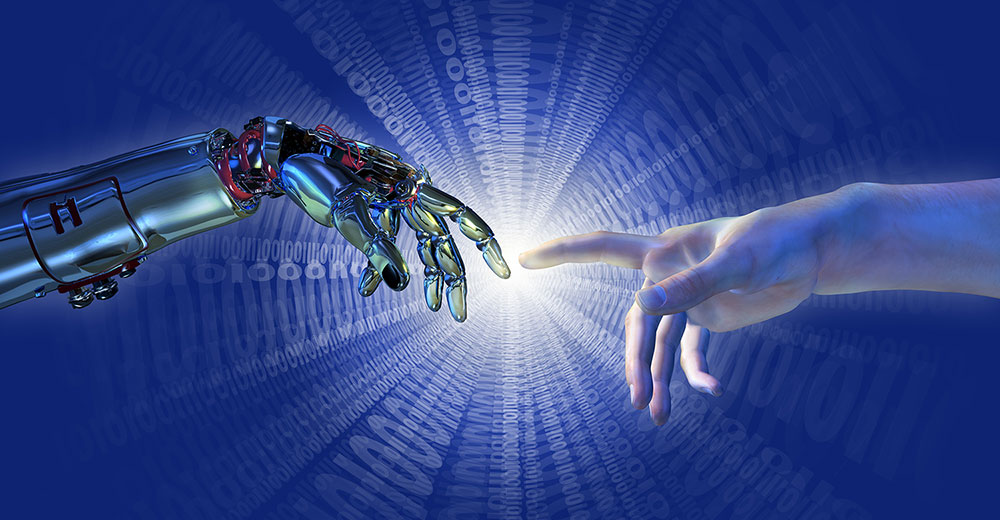
Tech’s Tipping Point: Humanity Redefined
Introduction
Remember that feeling when you first held a smartphone? That sense of limitless possibility, the world shrinking down to fit in your pocket? Well, hold on to your hats, because that was just the appetizer. We’re not just tweaking technology anymore; we’re fundamentally reshaping what it means to be human. We’re standing on the precipice of a tech-driven transformation so profound, it makes the internet revolution look like dial-up. This isn’t some sci-fi fantasy; it’s happening right now, and it demands our attention.
So, what’s this “tipping point” all about? Think AI that writes code, virtual realities indistinguishable from reality, and biotechnology capable of rewriting our very DNA. These aren’t abstract concepts; they’re rapidly becoming tangible realities. But with this immense power comes immense responsibility. Are we ready to navigate this new landscape?
The Short-Term Shocks: Disruption and Opportunity
The immediate impact of this technological surge is already being felt. Look at the job market. AI-powered automation is streamlining tasks across industries, from manufacturing to customer service. While this can lead to increased efficiency and lower costs, it also raises concerns about job displacement. The World Economic Forum estimates that AI could displace 85 million jobs by 2025, while simultaneously creating 97 million new ones. The challenge? Ensuring that people have the skills and opportunities to transition into these new roles.
Beyond employment, we’re seeing profound changes in how we interact with information. The rise of deepfakes and AI-generated content is blurring the line between truth and fiction, making it increasingly difficult to discern what’s real. Misinformation campaigns, amplified by social media algorithms, pose a significant threat to democratic processes and social cohesion. We’re essentially living in an era of “reality hacking,” where perception itself is up for grabs.
On the flip side, this tech revolution is unlocking incredible opportunities. Imagine personalized medicine tailored to your unique genetic makeup, or AI-powered tools that help us solve climate change. The possibilities are truly boundless. For example, companies like Recursion Pharmaceuticals are using AI to accelerate drug discovery, potentially leading to breakthroughs in treating diseases like cancer and Alzheimer’s. Similarly, AI is being deployed to optimize energy consumption and develop sustainable agricultural practices.
The Long Game: Redefining Humanity
The long-term implications of these technologies are even more profound. As AI becomes more sophisticated, we may need to grapple with fundamental questions about consciousness, sentience, and the very definition of intelligence. If a machine can think and learn, does it deserve rights? What happens when AI surpasses human intelligence – a concept known as “artificial general intelligence” (AGI)?
Biotechnology presents another set of ethical dilemmas. Gene editing technologies like CRISPR offer the potential to eradicate genetic diseases and enhance human capabilities. But where do we draw the line? Should we use gene editing to improve intelligence or athletic performance? What are the potential risks of unintended consequences or unequal access to these technologies?
The metaverse, a persistent, shared virtual world, also has the potential to reshape our lives. While it offers exciting opportunities for entertainment, education, and social connection, it also raises concerns about privacy, addiction, and the blurring of lines between the physical and digital worlds. Will we become so immersed in virtual reality that we lose touch with the real world?
These questions are complex and multifaceted, and they require careful consideration and open dialogue. We need to start thinking now about how we want to shape the future of humanity, rather than letting technology dictate it for us.
Navigating the Future: Practical Solutions for a Human-Centric Tech
So, what can we do to navigate this tech-driven future and ensure that it benefits all of humanity? Here are some practical solutions:
- Invest in Education and Reskilling: We need to equip people with the skills they need to thrive in the new economy. This means investing in education programs that focus on STEM fields, digital literacy, and critical thinking. We also need to provide opportunities for reskilling and upskilling, so that workers can adapt to changing job demands. Initiatives like Google’s Career Certificates offer affordable and accessible training in high-demand fields like data analytics and project management.
- Promote Ethical AI Development: We need to develop ethical guidelines and regulations for AI development. This includes ensuring that AI systems are transparent, accountable, and unbiased. We also need to address issues like data privacy and security. Organizations like the Partnership on AI are working to develop best practices for ethical AI development and deployment.
- Foster Digital Literacy and Critical Thinking: In an age of misinformation, it’s crucial to promote digital literacy and critical thinking skills. We need to teach people how to evaluate sources, identify biases, and distinguish between fact and fiction. Programs like MediaWise, run by the Poynter Institute, provide resources and training to help people become more discerning consumers of information.
- Embrace Responsible Innovation: We need to encourage innovation that is both beneficial and responsible. This means considering the potential social, ethical, and environmental impacts of new technologies before they are widely deployed. The concept of “value-sensitive design” encourages developers to integrate ethical considerations into the design process from the outset.
- Promote Global Collaboration: These challenges are global in scope and require international collaboration. We need to work together to develop common standards, regulations, and ethical frameworks. Organizations like the United Nations are playing a key role in fostering dialogue and cooperation on these issues.
Alternative Approaches:
Beyond these broad solutions, there are several alternative approaches to consider:
- Technological Humanism: This approach emphasizes the use of technology to enhance human potential and well-being, while safeguarding human values and dignity. It focuses on developing technologies that are human-centered and promote social justice.
- Digital Minimalism: This approach encourages us to be more intentional about our use of technology, prioritizing quality over quantity. It involves deliberately choosing technologies that support our values and goals, and eliminating those that distract us or harm our well-being.
- Open-Source Technology: Promoting open-source technology can democratize access to innovation and reduce the risk of monopolies. It allows for greater transparency and collaboration, leading to more ethical and responsible development.
A Future Worth Building
The tech revolution is undoubtedly transforming our world, presenting both challenges and opportunities. By embracing proactive solutions, fostering ethical development, and promoting global collaboration, we can navigate this tipping point and shape a future where technology enhances, rather than diminishes, our humanity.
This isn’t a time for fear or resignation. It’s a call to action. It’s a chance to participate in shaping the future we want to live in. Let’s embrace the power of technology, but let’s also remember the importance of human values, ethics, and connection. The future is not predetermined; it’s being written right now, and we all have a role to play in writing it. Let’s make sure it’s a story worth telling.