
Tech Today: Disruption’s New Dawn
Introduction
Remember the dial-up days? Or when Blockbuster reigned supreme? If you do, you’ve witnessed firsthand the relentless power of disruption. But hold on tight, because what we’ve seen so far is just the prologue. We’re standing on the precipice of a new dawn of disruption, one that’s more pervasive, more complex, and frankly, more exciting than anything we’ve experienced before. Forget incremental improvements; we’re talking tectonic shifts that are reshaping industries, careers, and even the way we live.
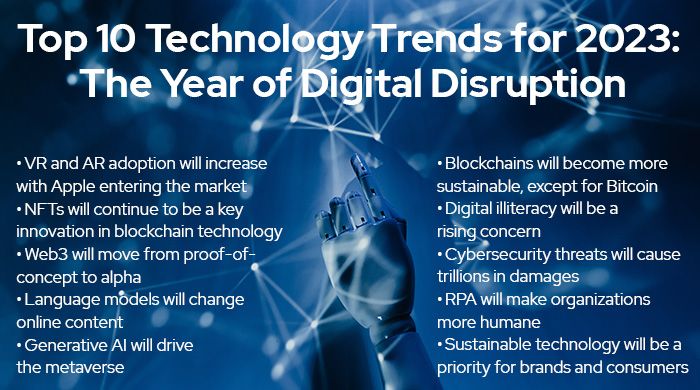
But disruption isn’t some abstract, far-off concept. It’s happening right now, all around us. Think about the rise of AI, transforming everything from customer service to medical diagnostics. Consider the blockchain revolution, promising decentralized and secure transactions across countless sectors. And don’t forget the metaverse, blurring the lines between the physical and digital worlds. These aren’t just buzzwords; they’re powerful forces that are already impacting our lives.
So, what does this “new dawn of disruption” actually mean for you? And more importantly, how can you not just survive, but thrive in this environment? Let’s dive in.
The Short-Term Tsunami and the Long-Term Tide
The immediate impact of disruption is often felt as a wave of uncertainty. Suddenly, skills become obsolete, business models crumble, and entire industries face existential crises. We’ve seen it happen with the rise of streaming services decimating traditional media, and the automation of manufacturing impacting factory workers. The short-term effects can feel overwhelming, leading to job losses, economic instability, and a general sense of unease.
But beyond the initial shockwave lies a longer-term tide of opportunity. Disruption creates new markets, new roles, and new possibilities. Think about the explosion of the gig economy, fueled by platforms like Uber and Airbnb. While it has its challenges, it also offers unprecedented flexibility and entrepreneurial opportunities for millions. Similarly, the rise of remote work, accelerated by the pandemic, has redefined the relationship between work and life, opening up possibilities for a more balanced and fulfilling existence.
The key is to recognize that while disruption can be painful in the short term, it ultimately paves the way for progress and innovation. The trick is to be prepared, adaptable, and proactive in embracing the changes.
Navigating the Disruption Landscape: Practical Solutions
So, how do you navigate this disruptive landscape? Here are a few practical solutions:
- Embrace Lifelong Learning: This isn’t your grandma’s education system. The skills needed today might be irrelevant tomorrow. Commit to continuous learning through online courses, workshops, conferences, and even simply reading industry blogs and publications. Platforms like Coursera, edX, and LinkedIn Learning offer a vast array of courses tailored to the demands of the modern workplace. For example, if you’re in marketing, consider taking a course on AI-powered marketing automation or data analytics.
- Cultivate Adaptability and Resilience: The ability to adapt to change is paramount. Develop a growth mindset, embrace experimentation, and don’t be afraid to fail. Resilience is about bouncing back from setbacks. Build a strong support network, practice self-care, and cultivate a positive outlook. Consider taking on new challenges outside of your comfort zone, like volunteering for a project at work or learning a new skill unrelated to your current role.
- Identify Emerging Trends: Stay informed about the latest technological advancements and industry trends. Read industry reports, attend webinars, and follow thought leaders on social media. Look for patterns and anticipate future disruptions. For example, if you work in retail, pay attention to the rise of personalized shopping experiences powered by AI and the increasing importance of omnichannel strategies.
- Build a Diverse Skillset: Don’t be a one-trick pony. Diversify your skillset to become more versatile and adaptable. Develop both technical skills (like coding, data analysis, or cloud computing) and soft skills (like communication, collaboration, and problem-solving). Consider “T-shaped” skills: deep expertise in one area, but a broad understanding of related fields. For example, a software developer could benefit from learning about UX design or project management.
- Embrace Collaboration and Networking: Disruption often requires collaboration across different disciplines and industries. Build a strong network of contacts and connect with people who have different perspectives and expertise. Attend industry events, join online communities, and actively participate in discussions. For example, attend meetups related to your field or join online forums where you can share ideas and learn from others.
- Seek Mentorship and Guidance: Find a mentor who can provide guidance and support as you navigate the disruption landscape. Look for someone who has experience in your field and can offer valuable insights and advice. A mentor can help you identify your strengths and weaknesses, develop your skills, and navigate career transitions.
Alternative Approaches: Tailoring Solutions to Your Needs
There’s no one-size-fits-all solution to navigating disruption. Here are a few alternative approaches that you can tailor to your specific situation:
- The “Incubator” Approach: If you’re in a large organization, consider creating an internal incubator to explore new technologies and business models. This allows you to experiment with disruptive innovations without disrupting the core business.
- The “Partnership” Approach: Collaborate with startups or other organizations that are developing disruptive technologies. This can give you access to new ideas and expertise without having to invest heavily in research and development.
- The “Pivot” Approach: If your business model is threatened by disruption, be prepared to pivot to a new strategy. This might involve entering a new market, developing a new product or service, or changing your target audience.
Case Studies: Learning from Disruption’s Trailblazers
Let’s look at some examples of companies that have successfully navigated disruption:
- Netflix: Netflix disrupted the traditional video rental industry by offering online streaming services. They continuously adapt to changing consumer preferences by investing in original content and expanding their global reach.
- Adobe: Adobe transitioned from selling software licenses to offering subscription-based cloud services. This allowed them to reach a wider audience and generate recurring revenue.
- Amazon: Amazon has disrupted numerous industries, from retail to cloud computing. They are constantly innovating and experimenting with new technologies, like AI and automation.
A Brighter Future: Embracing the Disruption Opportunity
Disruption can feel like a threat, but it’s also an opportunity. By embracing lifelong learning, cultivating adaptability, and staying informed about emerging trends, you can not only survive but thrive in this new era. The key is to be proactive, not reactive. Don’t wait for disruption to hit you; anticipate it, prepare for it, and use it as a catalyst for growth and innovation.
The future is uncertain, but one thing is clear: disruption is here to stay. By embracing the challenge and taking action, you can shape your own future and contribute to a brighter, more innovative world. So, take a deep breath, embrace the change, and get ready to ride the wave of disruption. The dawn is here, and the future is waiting to be written.
What are you waiting for? Go out there and be the disruption.