
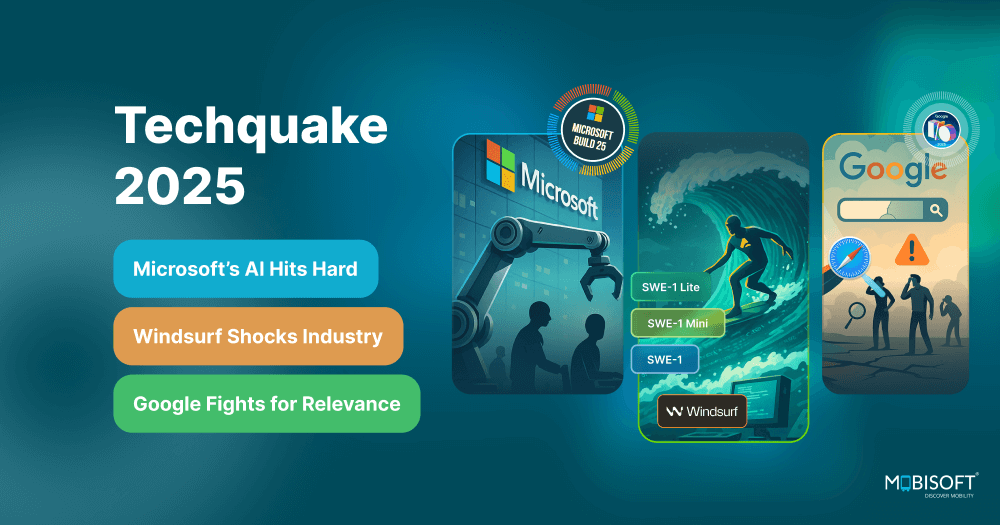
Techquake: The Future Just Trembled
Introduction
Okay, let’s be honest, things are changing faster than we can keep up. Remember when dial-up internet was the bane of our existence? Now we’re casually throwing around terms like “AI,” “Metaverse,” and “Quantum Computing” like they’re everyday household items. But beneath all the shiny new gadgets and buzzwords, something bigger is happening. A real Techquake, if you will, and the aftershocks are already being felt.
This isn’t just about faster processors or cooler apps. We’re talking about a fundamental shift in how we live, work, and interact with the world. The ground is literally trembling beneath our digital feet. And while some of us are riding the wave with glee, others are clinging on for dear life, wondering what the heck is going on.
So, what’s causing this digital tremor? It’s a perfect storm of converging technologies, accelerated innovation, and a global society hungry for change. But instead of burying our heads in the sand, let’s dig in and understand what this “Techquake” actually means, both now and in the years to come, and more importantly, what we can do about it.
The Short-Term Aftershocks: Disruption, Discomfort, and Opportunity
Right now, the most immediate impacts of this Techquake are felt in a few key areas:
- Job Displacement & Evolution: Let’s face it, automation is already here. From self-checkout kiosks to AI-powered customer service, jobs are being reshaped, and some are disappearing entirely. While this can be scary, it also creates opportunities for new roles that require skills like data analysis, AI management, and creative problem-solving. The key is adaptation, not resistance.
- The Rise of the Gig Economy (and its Challenges): The internet has enabled unprecedented flexibility in work. You can be a freelance writer in Bali, a virtual assistant in London, or a coding consultant in Seattle, all connected through the digital ether. However, this also brings challenges: inconsistent income, lack of benefits, and the constant pressure to upskill.
- Information Overload and the Attention Economy: We’re bombarded with information 24/7. Social media, news feeds, and email notifications are constantly vying for our attention. This can lead to stress, anxiety, and a feeling of being perpetually “on.” Learning to manage our digital consumption is crucial for maintaining mental well-being.
- The Digital Divide Widens (Again): While technology promises connection and opportunity, it can also exacerbate existing inequalities. Access to reliable internet, digital literacy, and affordable devices are not universal. This creates a digital divide, where some are left behind while others thrive.
The Long-Term Seismic Shifts: Transformation, Uncertainty, and Hope
Looking further down the line, the Techquake’s impact will be even more profound:
- The Metaverse & the Blurring of Realities: Whether you’re excited or skeptical, the Metaverse (or some iteration of it) is likely to become a significant part of our lives. Imagine a world where you can attend meetings, socialize, and even experience travel from the comfort of your own home. This will fundamentally change how we interact with each other and the world around us.
- AI-Driven Everything: From healthcare to transportation, AI will play an increasingly significant role in our lives. AI-powered diagnostics could lead to earlier disease detection, self-driving cars could reduce traffic accidents, and personalized education could unlock individual potential. But we need to address ethical concerns and ensure that AI is used responsibly.
- The Quantum Computing Revolution: Quantum computing is poised to solve problems that are currently intractable for classical computers. This could lead to breakthroughs in medicine, materials science, and artificial intelligence. But it also raises concerns about cybersecurity, as quantum computers could potentially break existing encryption methods.
- A New Era of Human-Machine Collaboration: The future isn’t about humans being replaced by machines; it’s about humans and machines working together. We’ll need to develop new skills in areas like AI ethics, data interpretation, and human-centered design to ensure that technology serves humanity.
Riding the Waves: Practical Solutions for Navigating the Techquake
So, how do we navigate this turbulent landscape? Here are some practical solutions:
- Embrace Lifelong Learning: The skills you have today might not be the skills you need tomorrow. Invest in continuous learning and development. Take online courses, attend workshops, and read books on emerging technologies. Platforms like Coursera, Udemy, and edX offer a wealth of affordable learning resources.
- Example: A marketing professional could take a course on AI-powered marketing tools to stay ahead of the curve. A teacher could learn about using virtual reality in the classroom to create more engaging learning experiences.
- Develop Adaptability and Resilience: Change is inevitable. The ability to adapt to new technologies, learn new skills, and bounce back from setbacks is crucial. Practice mindfulness, cultivate a growth mindset, and build a strong support network.
- Example: A factory worker who loses their job due to automation could use their existing skills to transition into a related field, such as equipment maintenance or robotics programming.
- Focus on Human Skills: In a world increasingly dominated by machines, human skills like creativity, critical thinking, empathy, and communication will become even more valuable. These are the skills that machines can’t easily replicate.
- Example: A customer service representative who can build rapport with customers and resolve complex issues will be more valuable than an automated chatbot.
- Champion Digital Inclusion: Advocate for policies and initiatives that promote digital literacy and access to technology for everyone. Support organizations that are working to bridge the digital divide.
- Example: Volunteer to teach computer skills to senior citizens or mentor students from underserved communities.
- Be Mindful of Your Digital Footprint: Be aware of the data you’re sharing online and take steps to protect your privacy. Use strong passwords, enable two-factor authentication, and be wary of phishing scams.
- Example: Review your privacy settings on social media platforms and limit the amount of personal information you share publicly.
- Take Regular Digital Detoxes: Disconnect from technology on a regular basis to recharge your mind and body. Spend time in nature, engage in hobbies, and connect with loved ones in person.
- Example: Schedule a “digital-free” weekend each month where you turn off your phone and computer and focus on spending time with family and friends.
Alternative Approaches and Considerations:
- Government & Policy: Advocate for policies that support workforce retraining, universal basic income, and ethical AI development. Governments can play a crucial role in mitigating the negative impacts of technological disruption.
- Business Leadership: Businesses should prioritize employee training and development, invest in human-centered design, and adopt ethical AI practices. Corporate social responsibility is more important than ever.
- Community Initiatives: Local communities can create programs to support digital literacy, provide access to technology, and foster innovation. Community centers, libraries, and schools can play a vital role.
Riding the Wave Towards a Brighter Future
The Techquake is undoubtedly shaking things up, but it’s also creating incredible opportunities. By embracing lifelong learning, developing adaptability, focusing on human skills, championing digital inclusion, being mindful of our digital footprint, and taking regular digital detoxes, we can navigate this turbulent landscape and emerge stronger than ever.
This isn’t about fearing the future; it’s about shaping it. By actively participating in the conversation, advocating for responsible innovation, and investing in ourselves and our communities, we can ensure that technology serves humanity and creates a more equitable and prosperous future for all.
So, take a deep breath, embrace the change, and let’s ride this wave together. The future is trembling, yes, but it’s also brimming with potential. It’s time to get involved and make sure that the aftershocks are positive, transformative, and empowering.